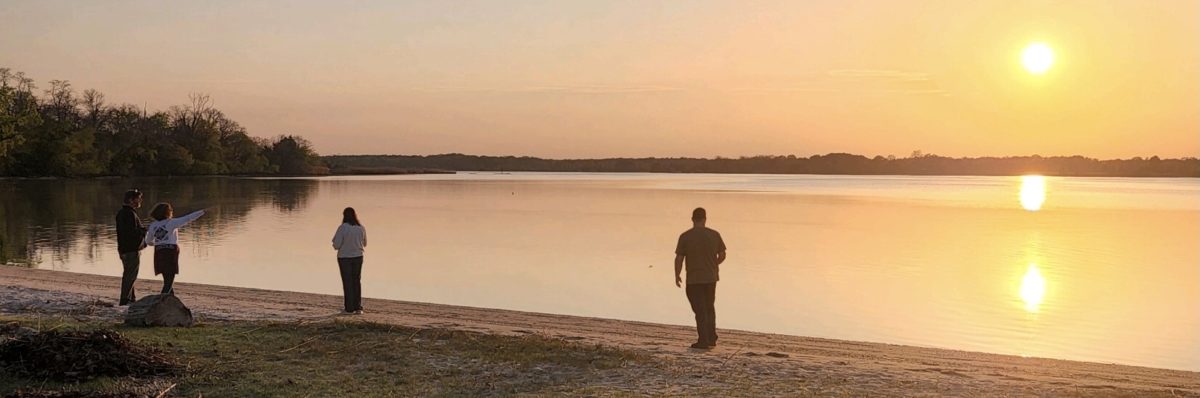
Let’s Get Back to Love

Background: October 5-6 was a preaching weekend for me at Christ Church Easton. The Gospel reading for the lectionary was Mark 10:2-16, where Jesus is questioned about divorce and he goes on to say, “whoever does not receive the kingdom of God as a little child will never enter it.” This is the text of the sermon I gave.

“Let’s Get Back to Love”

In the not quite three years I have been preaching, this is the second time I’ve landed on one of Jesus’s divorce readings. As someone who has been through a divorce, last time out I bounced off personal experience to talk about how devastating divorce can be and how it is to be avoided if at all possible.

This time I want to take a step back and look at why Jesus always seems to make our lives harder by making the laws and rules even more strict than what the Pharisees and scribes bring to him.

Something to keep in mind: Jesus fully engaged and answered everyone who came to him with an honest question or concern. We’ll see that next week in the case of the rich, young ruler. But Jesus is wary when the Pharisees try to test him or trick him into saying something that will get him in trouble. He is wise to what they are up to.

The Pharisees ask: is it lawful for a man to divorce his wife? Jesus asks: what did Moses command you? They said: Moses allowed a man to write a certificate of dismissal and to divorce her.

And now Jesus gets to the crux of the matter: “Because of your hardness of heart he wrote this commandment for you.”

The law gives us the least we have to do to in order to play by the rules and to get what we want. The Pharisees who repeatedly question Jesus are concerned with the law for the sake of the law. They aren’t concerned with the why behind the law, the intent of the law.

First of all, if you are approaching marriage with the attitude and question, is it legal to get divorced? You probably shouldn’t be thinking about marriage.

People then, and now, want to know what rules or code do I have to follow to be considered righteous, to be a good person, and to go to heaven, right? We’d all like to know that, and to know if we are on the right path, or if we need to make some adjustments.

That’s putting the cart before the horse. Jesus, then and now, is concerned about our hearts, about our relationships, with God and with each other. About us living life and living life abundantly. If we are going to do that, our abundance can’t be at someone else’s loss, pain, or cost.

Jesus was aware of what happened back then to a woman who had been divorced. It would be hard for her to find protection, provision of any kind, dignity, or to have much of a future. That does not give her much of a chance to live life abundantly, to be in right relationship with God and her neighbors.

The laws are the lowest standard. Let’s look just quickly at the commandments that are concerned just with how we treat each other:

  • Honor your mother and your father
  • Don’t commit murder
  • Don’t commit adultery
  • Don’t steal
  • Don’t give false testimony against your neighbor
  • Don’t covet anything that belongs to your neighbor

If we live and follow those laws, does that sound like a happy life? Does that sound like abundant life? That sounds like the bare minimum you can do to stay out of trouble.

All of these laws address the hard-heartedness of people; what they had become, what we are still, and where we fall short in needing clear-cut rules to keep us straight and spell out how to treat each other.

That’s why in the Sermon on the Mount, Jesus says, “murder? That’s a pretty low bar. You’ve got to deal with and address that feeling when it’s still anger, long before it gets anywhere close to murder.” It’s not about the law, it’s about the heart. We need soft hearts to love.

Here is what we’ve lost: LOVE IS OUR DEFAULT SETTING. Jesus gets that.


In Mark Chapter 12, one of the scribes asks Jesus, which commandment is first (or greatest) of all? And Jesus gives the response we’ve come to know: “Love God with all your heart, with all your soul, with all your mind, and with all your strength, and love your neighbor as yourself.”

Love. Be passionate. Care for each other. Live life to the fullest. There is no, “thou shalt not…”; there is no, “is it legal if…”

Jesus is trying to help us get back to our default settings. But we’ve put so much in the way of that, even as the church, which is the issue Jesus kept having with the Temple leadership who cite laws left and right, but keep out the people—the poor, the sick, the marginalized; the sinners and the tax collectors, who Jesus was at the table with and caring for.

In last week’s Gospel, we heard Jesus say, “If any of you put a stumbling block before one of these little ones who believe in me, it would be better for you if a great millstone were hung around your neck and you were thrown into the sea.”

These little ones, who are learning to believe, learning to love, don’t go quoting Scripture, quoting laws at them, don’t belittle them or cause them to stumble. Help them. Encourage them.

But how? How are we supposed to do all that? People are so weird and hard to deal with. They’re too people’y.

On the road with his disciples, Jesus has been trying to get it through to them. You’ve got to put down, you’ve got to give up, these lives that society is trying to hand to you. You’ve got to put down the things that divide us and put barriers between us. You’ve got to give up the lives you’ve been living, pick up your cross, and follow me.

If we put down the crap that we’re being fed, if we give up the lives that are full of judgment, hatred, power, and status, we are free to pick up and be filled with Jesus’s love. We give up our small, ego selves so that we can be filled with the Holy Spirit.

When we let go of the doubt, the fear, the skepticism and pessimism we are being handed, we become like children: free to love.

“Let the little children come to me; do not stop them; for it is to such as these that the kingdom of God belongs. Truly I tell you, whoever does not receive the kingdom of God as a little child will never enter it.”

As a little child. Open, innocent—not jaded, tainted, asking which laws are the ones that really count.


Love is our default setting. Jesus and gift of the Holy Spirit are the reset button. God’s grace is our fresh start.

Well, sure, that’s easy for Jesus to say; He’s Jesus. What about us, who are flawed and human and who mess up? What does it look like for us to let go and start again?

Let me introduce you to Francis. Saint. Francis. Of Assisi. October 4 was the Feast of Saint Francis, who is often held up as the human being who most fully lived a life of Christ-like love. He saw the divine in everything and everyone and lived his life in a simple way. He didn’t start out that way, he found it as a new way of being.

Francis let his love of Christ guide him, rather than rules or laws. Franciscan Friar and author Richard Rohr describes Francis like this:

“Creation itself—not ritual or spaces constructed by human hands—was Francis’ primary cathedral. His love for creation drove him back into the needs of the city, a pattern very similar to Jesus’ own movement between desert solitude (contemplation) and small-town healing ministry (action). The Gospel transforms us by putting us in touch with that which is much more constant and satisfying, literally the “ground of our being,” which has much more “reality” to it, rather than theological concepts or ritualization of reality. Daily cosmic events in the sky and on the earth are the Reality above our heads and beneath our feet every minute of our lives: a continuous sacrament, signs of God’s universal presence in all things.”

Wow. Not a bad way to live and look at the world.

Imagine being so filled with God’s love that when we go out the doors of the church, we carry it with us and give it to everyone and everything we encounter. Imagine someone’s impression of us being, “wow, they were full of love and light”—where did they get that? How can I get some too?

The Pharisees and scribes asked Jesus questions to try to trip him up and to get him in trouble. They were the law-abiding citizens. They wanted to know if it is legal for a man to divorce his wife.

That’s one end of the continuum: following the rules for the rules’ sake. Righteousness is following the law. Now listen to the words that St. Francis is most known for, the prayer that is attributed to him:

“Lord, make us instruments of your peace. Where there is hatred, let us sow love; where there is injury, pardon; where there is discord, union; where there is doubt, faith; where there is despair, hope; where there is darkness, light; where there is sadness, joy. Grant that we may not so much seek to be consoled as to console; to be understood as to understand; to be loved as to love. For it is in giving that we receive; it is in pardoning that we are pardoned; and it is in dying that we are born to eternal life.”

That’s not about the law, it’s about love; the self-sacrificing love that Jesus modeled for us with his life and through his death—the love that overcame death. The love that opens the door for us.

Which do you want your life to be about? Let’s go with Jesus and Francis. Let’s get back to love.

Amen.

It’s About the Heart and a Blessing

Background: Labor Day weekend was a preaching weekend for me at Christ Church Easton. The Gospel reading was Mark 7:1-8, 14-15, 21-23, where the Pharisees and scribes call Jesus out for his disciples not washing their hands before they eat (not following the tradition of the elders) and Jesus explains how it is not what goes in a person that defiles, it is what comes out of us that does that.

“It’s About the Heart”

For the record: Jesus was not against washing your hands.

Jesus was not against the tradition of the elders.

Jesus had a problem with making traditions for the sake of traditions and acting without the heart being in the right place.

Particularly human traditions that went against commandments God put in place. He says:

“You abandon the commandment of God and hold to human tradition.”

This lectionary reading skips over verses 9 through 13 of Mark’s Gospel, where Jesus gives them an example of this. He says:

“You have a fine way of rejecting the commandment of God in order to keep your tradition!  For Moses said, ‘Honor your father and your mother,’ and, ‘Whoever speaks evil of father or mother must surely die.’ But you say that if anyone tells father or mother, ‘Whatever support you might have had from me is Corban’ (that is, an offering to God), then you no longer permit doing anything for a father or mother, thus nullifying the word of God through your tradition that you have handed on. And you do many things like this.”

There was a Jewish tradition that allowed you to make a donation to the Temple, which would absolve you from having to financially care for your parents as they got older. This goes against the whole idea of honor your mother and your father.

Do you think we still have some human traditions that we follow, possibly in spite of the commandments of God?

I will grab some low-hanging fruit here:

“Remember the Sabbath, keep it holy.” Unless your child or grandchild has sports. Or you need to go grocery shopping. Or you want to go out to eat. Or you have work to do….

How about make no idols? Don’t covet? Adultery? Well, these aren’t the big ones, right? These things happen, it’s not like murder. But we can even make murder okay if it’s on foreign soil, and if it’s in the name of national security, if it’s sanctioned by the government (also known as war).

If we stick just to the Ten Commandments, we’ve pretty much found loopholes or ways to justify any kind of behavior we want to normalize.

‘This people honors me with their lips,
but their hearts are far from me;’

Jesus has no issue with washing your hands and ritual purity. But when he and his disciples are hungry and tired and eating, and that’s the human tradition the Pharisees want to call someone out on, when their holy people are doing things so much worse all while staying within their established traditions, Jesus is going to call them out.

In many ways, our traditions define us—as a country, as a people, as a community, as a church. Even inside our liturgy, we pray a certain way, we say confession together, we celebrate the Eucharist. We consider our traditions in the church to be holy, and they are. Our traditions can also become a form of gatekeeping—if you don’t do things this way, you’re not one of us, you don’t belong.

What would be a good litmus test to ask, are these traditions the kind of thing we want to be known for? Do we like what they say about us as a community? Would God condone/endorse what our traditions look like?

In her book, “Into the Mess & Other Jesus Stories,” Debie Thomas asks a few questions along these lines:

“Does your version of holiness lead to hospitality? To inclusion? To freedom? Does it cause your heart to open wide with compassion? Does it lead other people to feel loved and welcomed at God’s table? Does it make you brave? Does it ready your mind and body for a God who is always doing something fresh and new? Does it facilitate another step forward in your spiritual evolution? …Like everything Jesus offers us, his encounter with the Pharisees is an invitation. An invitation to consider what is truly inviolable in our spiritual lives.”

Our human traditions may not be physical food, but we take them in, they go into us and become part of us. And this is where the rubber hits the road for Jesus. When what becomes a part of us effects what comes out of us.

Jesus isn’t signing on to become our dietician: he’s not sitting in our car and giving us a lecture when we go through the McDonald’s drive thru. But it’s fair to say he cares how we treat the person working in the drive thru.

“Then he called the crowd again and said to them, “Listen to me, all of you, and understand: there is nothing outside a person that by going in can defile, but the things that come out are what defile.” For it is from within, from the human heart, that evil intentions come… these evil things come from within, and they defile a person.”

Over and over again, in each of the Gospels, Jesus talks about and is concerned about hearts. He never tries to legislate what we do, he wants our hearts to be in the right place, and then what comes out of us will be in line with having loving hearts.

How many of us, before we eat, make a habit of washing our hands first? That’s a smart practice, we want our hands to be clean before we take food into our bodies.

How many of us have a similar practice before we say something, before we post something online, before we comment about something we disagree with? Do we have a practice like washing our hands, before something comes out of us?

What if before something comes out of us, we asked ourselves a few questions:

Do I know this to be true? Does it bring me closer to God? Does it help me love my neighbor? Does it bring my neighbor closer to God? Does it help my neighbor love me? Would I want someone saying this to someone I love? Does this sound like something Jesus would say or do or condone?

What comes out of us, both individually and collectively, is largely unchecked and not considered. And we are approaching a boiling point in our country with a Presidential election in a couple months.

Image credit: Paul Craft/Adobe Stock from Everyday Health.

I had to dig back in my mind for more than a decade for the last time two Presidential candidates treated each other with respect: Obama vs. Romney. They didn’t see eye-to-eye, they didn’t agree with what direction the country should go in, but when they debated, when they were asked questions about each other in interviews, and even Romney’s concession speech, they treated each other like human beings.

What has been modeled for us ever since has become a big part of the way we think about people who don’t agree with us, people who have a different vision for where we should go as a nation, as a people, as a community. If you don’t see things like I do, your opinion doesn’t matter—I am going to call you names, I am going to belittle your views, attack your credibility—because you clearly aren’t even human; by believing what you believe, you aren’t worth the air you breathe.

Does that sound familiar? Do we recognize that in ourselves and in each other? It’s dehumanizing, degrading, and heart-breaking. That’s what we are taking in. That’s what is being modeled for us.

Ultimately, we decide what comes out of us. We decide what behavior we are going to model. That’s what Jesus is talking about. We’re defiling ourselves and each other. We are so far from where Jesus is calling us to be in loving God and loving our neighbor. Is there another way, is there an alternative to thinking about what comes out of us?

Here’s something we might give a shot. I’ve been reading “An Altar in the World” by Episcopal priest and professor Barbara Brown Taylor this summer. Her book is about giving us concrete practices that we can do to find the holy, to find God, everywhere and in everyone. She spends the last chapter of the book on “The Practice of Pronouncing Blessings.”


In our church, there are certain things that only a priest can bless—the elements for Communion, a marriage, or the congregation as we leave: the priest confers blessings. Those aren’t the kind of blessings Barbara Brown Taylor means. She says that to pronounce a blessing on someone or something is to see them as important: to see them as created by and loved by God.

We don’t make anyone or anything blessed, loved, or holy—God has already done that. We’re just giving our words to it.

She says that when we choose to bless, it requires us to ease up on judging what is good and what is bad for us or for the world. It’s God who ultimately reveals that.

And she says that pronouncing a blessing puts us as close to God as we might ever get because we are asking ourselves to try to look at someone with God’s eyes.

“To learn to look with compassion on everything that is; to make the first move toward the other, however many times it takes to get close; to open your arms to what is instead of waiting until it is what (we think) it should be… to pronounce a blessing is to (try to) see things from the divine perspective.”

What if we thought about trying to see things from God’s perspective before we let something come out of us? That’s a tall order, one that takes practice and effort. But it’s a practice that can help us love each other.

What if we offered a blessing to those we encounter, instead of our anger, our judgment, and our doubts.

Let’s give it a try. Here’s a blessing to take with you:

May the Day

May the day bring you closer to love—
real love, big love, the kind you feel in your bones and your soul,
that opens you up and comes out of you like rain, like tears,
like laughter that leaves you shaking.

May the day bring you closer to God—
the One who loves you, who knows you, who created you,
whose face you want to see and study and hold
and never turn away from.
The One who knows your questions, your confusion,
your sorrows and joys and
whose presence holds all the answers you seek.

May the day bring you closer to your neighbor—
the neighbor who you know and love,
the neighbor who annoys you and who you avoid,
the neighbor who smiles at you when you walk by them on the sidewalk,
the neighbor who is afraid to make eye contact,
the neighbor in the produce section of the grocery store,
the neighbor who just got news they don’t think they can recover from.

May the day bring you closer to understanding—
that love, God, and neighbor are the same,
we need them and they need us, and that we are connected
in ways that we can see and ways that we can’t,
but connected nonetheless and always.

May the day bring you compassion—
when and where you need it,
to be seen, heard, and cared for,
and also to see, hear, and care for
those who need it in their day.

May the day bring you peace—
the kind that slows your heart rate, eases your pulse,
emanates from your soul, drives away your worries
and leaves a contagious smile on your face.

May the day wake you up—
To all these things—love, God, neighbor,
understanding, compassion, and peace—
may you be aware of and know these truths
today, this day, and all days,
knowing and loving God and all of God’s creation
more each day.

Saying Yes and What Happens Next

Background: August 15 is the Feast of St. Mary the Virgin on the lectionary calendar. The Gospel reading used for the liturgy is Luke 1:46-55, a song Mary sings while pregnant, now referred to as The Magnificat. The following is the text of a homily I gave at the Christ Church Easton weekly healing service, where we used the St. Mary readings.

“Saying Yes and What Happens Next”

Mary said yes. She said yes to God. Today’s reading gives us Mary’s song of joy in what is happening with her; but the “yes” happened first. If we stick to Luke’s Gospel, the angel Gabriel comes to Mary and says, “Greetings, favored one! The Lord is with you. Do not be afraid, you have found favor with God.”

Gabriel explains what will happen, that she will bear a son and who he will be and what he will do and mean for the world. When she has questions, he explains that “the Holy Spirit will come upon her and the power of the Most High will overshadow her; therefore the child will be born holy; he will be called Son of God.”

Mary’s response was, “Here am I, the servant of the Lord; let it be with me according to your word.”

As far as we know, that is the last conversation Gabriel and Mary had. All it took was Mary’s consent. She said yes, when God called on her.

Mary goes to visit her cousin Elizabeth, who was barren, and became miraculously pregnant with John the Baptist. The two women come together and are overjoyed and anxious and excited, the baby in Elizabeth’s womb leaps at the presence of the pregnant Mary.

Caught up in this excitement, Mary gives us today’s reading, which we call, “The Magnificat,” which is used in Catholic, Lutheran, and Anglican/Episcopal Vespers (evening) services and sung or prayed as a canticle.

Mary’s song echoes older songs, including the Song or Prayer of Hannah, in 1 Samuel 2:1-10, which Hannah—who couldn’t conceive and prayed to God and who then had a son Samuel—sang to rejoice.

So this is the kind of joyous song someone is filled with when an incredible, overwhelming, and unexpected thing happens.

It’s the saying yes to God’s call, big or small, that opens us up to being filled with the Holy Spirit. And what that looks like can be big or small as well—it could look or feel like laughter, tears, joy; it can come over us as we do something we love or we feel called to do, it can feel like affirmation, it can feel like connection, it can feel like closeness—it’s a feeling inside us that comes from outside us, or that stirs something up in us that we didn’t know was there.

But here’s the thing: they are moments. They are gifts, but they don’t necessarily last. Here was this moment shared by Mary and Elizabeth, but it isn’t the moment or the Magnificat that we remember Mary for.

We remember her because she said yes to God. She said, “let it be with me according to your word.”

And what did saying yes then entail?

Mary then had to lean into Joseph’s understanding and compassion and bear an unexpected pregnancy in a culture that stoned women for what it seemed she had done.

Image: Giotto, The Arena Chapel Frescoes: The Boy Jesus in the Temple (1305-1306).

We learn later in Luke the story of Jesus going missing from Mary and Joseph and their having to return over days to come back and find their 12-year-old son teaching in the Temple. Imagine that prayer to God—”Hi, God, it’s me, Mary. I kind of lost your son…”

We’ve heard and recently talked about the story where Mary and Jesus’s later siblings come looking for him when they fear he has lost it, or gone too far, and he says, “Who is my mother? Who are my brothers and sisters?”

And Mary lives to see Jesus crucified in front of her.

These are bullet points, not going into any kind of detail. But pointing out that Mary’s life got more difficult, more confusing, and more heartbreaking after she said yes to God. We see similar storylines with John the Baptist, the Twelve disciples, and the apostle Paul.

We rightly celebrate and revere St. Mary the Virgin, not because she was unattainable and so far beyond human, but because she was human, scared, unsure at times, and she said yes and stepped up anyway, not even knowing what the cost might be.

Mary’s willingness might help us look at our own lives and see and seize opportunities to say yes, when we are called.

Debie Thomas, in her book “Into the Mess & Other Jesus stories” frames it like this:

“At its heart, Mary’s story is about what happens when a human being encounters the divine and decides of her own volition to lean into that encounter…

“In pondering Mary’s yes, we are invited to consider what our own might look like. What can we anticipate if we give our consent to God. What will happen within and around us if we agree to bear God into the world? Who will we become, and who will God become, in the long aftermath of our consent?”

A question I have for us this morning, can you think of an example, it could be from your life, or a friend or family member’s, or it can be an example that you have read about or know about that inspires you in some way, of a person who has said yes when called upon, and what that looked like?

I want to put it out there that if Mary’s life had been cushy or easy and she rode around in chariots and was carried everywhere she went, we wouldn’t think of her as a saint.

The United States Conference of Catholic Bishops says that “saints are persons in heaven (officially canonized or not), who lived heroically virtuous lives, offered their life for others, or were martyred for the faith, and who are worthy of imitation.”

That sounds like a tall order. None of us might aspire to be a saint—just living a good and commendable life seems like a plenty high bar to shoot for. But we are all called to be saints. When Paul used the word saints in his letters and when the earliest church talked about saints, it meant everyone, the whole body of the church, the Body of Christ.

If you look at the ending of the Apostle’s Creed, we say:

I believe in the Holy Spirit,
    the holy catholic Church,
    the communion of saints,
    the forgiveness of sins
    the resurrection of the body,
    and the life everlasting. Amen.

The Communion of Saints is all the faithful followers of Christ, living, dead, past, present, and future.

Rev. Katie Shockley, a Methodist minister, frames it like this:

“When we gather in worship, we praise God with believers we cannot see. When we celebrate Holy Communion, we feast with past, present and future disciples of Christ. We experience the communion of saints, the community of believers –– living and dead. This faith community stretches beyond space and time. We commune with Christians around the world, believers who came before us, and believers who will come after us. We believe that the church is the communion of saints, and as a believer, you belong to the communion of saints.”

We are bound together, lifted and carried by grace, with those who have come before us and those who will come after us. And we look to someone like Mary for inspiration, to remind us that we too can say yes, in our own ways, in our own lives.

When Mary said yes, I don’t think her thought process made her say, “hey, if I agree, maybe people will remember me as a saint someday!” Based on how Luke frames it, it was more along the lines of: God is asking for my help: “Here am I, the servant of the Lord; let it be with me according to your word.”


And she was willing to bear whatever came with that saying yes, though she knew not what that was.

Here is Debie Thomas one more time:

“The particularities of our own stories might differ from Mary’s but the weight and cost of ‘bearing’ remain the same—and so does the grace. When we consent to the unbearable, we learn a new kind of hope. A hope set free from expectation and frenzy. A resurrected hope that doesn’t need or want easy answers. A hope that accepts the grayness of things and leaves room for mystery.”

We don’t know what saying yes might mean. We don’t know exactly what comes next when we open and offer ourselves up. But we know that it brings us closer to God; we know that it allows us to be a part of God’s plans for the world; and we know that in God’s love for us, He invites us into richer, fuller lives, being a part of the Communion of Saints, and His holy mystery.

We can look to Mary as an example and for inspiration.

Choose Wisely

Background: August 3-4 was a preaching weekend for me. The lectionary readings included 2 Samuel 11:26-12:13a–the fallout from King David’s underhanded actions with Bathsheba and Uriah, and John 6:24-35, where Jesus talks about the sign of feeding the 5,000 and proclaims, “I am the bread of life.” Following is the text of the sermon I gave at Christ Church Easton, connecting the two readings.

I want to take us back a couple months ago, to one of our readings at the beginning of summer, just after Pentecost. It’s from 1 Samuel.

The people of Israel tell Samuel they want a king. Samuel passes the message along to God, who says, “You shall solemnly warn them, and show them the ways of the king who shall reign over them.”

Samuel relays God’s warnings of all the nefarious things a king will do. And then we hear:

“But the people refused to listen to the voice of Samuel; they said, “No! but we are determined to have a king over us, so that we also may be like other nations, and that our king may govern us and go out before us and fight our battles.”

Now, God wasn’t warning them that they were going to get a bad egg as a king. He was warning them against placing trust in worldly power; he was warning them against what being king does to people, how they can get caught up in all that goes with the position.

In the case of this particular king, God loved David. He wasn’t against him. And when all this went down with Bathsheba and Uriah, God didn’t give up on him. But David sure messed things up.

Not every story in the Bible has a fairytale, happy ending. We get the good, the bad, and the ugly—and some of the stories leave us in a bad spot. They are supposed to. The story of David and Bathsheba leaves us in a lurch.

I have to say, I like Nathan and the approach God came up with for him. The story about the one little ewe lamb and watching David get fired up about it—revealing that he still has some sense of justice and compassion in him, outwardly looking anyway.

God blasts David for what he’s done; He speaks to David in David’s own language, based on his actions and the things that are important to him. God didn’t say to Israel—“See? Didn’t I tell you bad things would happen if you went with a king?” Instead God still loves David, tries to work through what has happened, avoid anything like that happening again, and come to a better understanding and a better relationship on the other side.

And though God doesn’t say I told you so, the king issue is still a problem. In this case, a problem that may have a proposed solution, right in our readings over the last two weeks.

In last week’s reading, after Jesus had fed the 5,000 people with just a few loaves and some fish, they had a notion that Jesus was the prophet to come into the world.

“When Jesus realized that they were about to come and take him by force to make him king, he withdrew again to the mountain by himself.”   


Jesus wants no part of the worldly power that the crowds want to give to him. God warned Israel that they didn’t want a king. Israel said, “oh yes we do, we want to be like everyone else in the world, the king can fight our battles, and we’ll be on the news just like the cool countries.”

The people witness the signs Jesus is doing and they think, well finally, here’s the guy, this is the king we’ve been waiting for. Jesus says thanks, but no thanks.

Jesus’s mission is much bigger, more profound, more earth-shattering, more kingdom-bringing than becoming the next king on a throne.

Remember, these aren’t bad people who want to make Jesus king. These are people who witnessed him healing and curing the sick. They followed him and Jesus loved them and had compassion enough that he performed another miracle and fed them.

In writing his Gospel account, John doesn’t call these things that Jesus is doing miracles: he calls them signs. Because they point to something bigger than the sign itself. And in this week’s reading, Jesus explains something about this sign. He says:

“Very truly, I tell you, you are looking for me, not because you saw signs, but because you ate your fill of the loaves. Do not work for the food that perishes, but for the food that endures for eternal life, which the Son of Man will give you.”

People eating their fill of loaves is what they do in the world of kings. Food that endures for eternal life is what they do in the kingdom of God. Jesus uses this feeding sign to point to the thing behind it: to point to God.

This is tough stuff for the people to get their head around. They’re not getting it. They ask:

“What must we do to perform the works of God?” Jesus answered them, “This is the work of God, that you believe in him whom he has sent.” So they said to him, “What sign are you going to give us then, so that we may see it and believe you? What work are you performing?”

Maybe now we can understand why Jesus walks away from the crowds sometimes. “What work are you performing?” Hey guys, Jesus is going to do another magic trick! Let’s set up a tent and some seats and take in the show!

The Old Testament, the Hebrew Bible, is full of stories of the relationship between God and His people, where the people get confused, lose sight of God’s love and their covenant; they get tempted and give into temptation, and God keeps giving them course corrections. Reminders. “Remember, I am the God of Abraham, Isaac, and Jacob… I’ve done all these things for you.”

What we see in Jesus and what we see in the Gospels is what it looks like to make the right decisions, to repent from the wanting of kings and the low-hanging fruit of worldly desires, power grabs, and putting ourselves first. Where Israel wanders lost in the dessert for 40 years, Jesus doesn’t give into temptation during his 40 days in the wilderness. Jesus is the course correction, he shows us how to live in this life, what to focus on, who to care about, who to take care of, how to love, so that we move beyond our small, selfish selves, by giving up our lives and our want for kings and focusing on heavenly things and eternal life.

Every day we make choices. In some cases, those choices can move us away from God and towards the world who wants to be ruled by kings. Some of our choices can move us closer to God, closer to Jesus, who is trying to show us how to make the right decisions.


In her book, “An Altar in the World,” Episcopal priest Barbara Brown Taylor is invited to go speak at a church in Alabama. She asks what they want her to talk about. The priest says, “Come tell us what is saving your life now.”

Brown Taylor says:

“All I had to do was figure out what my life depended on. All I had to do was figure out how I stayed as close to that reality as I could, and then find some way to talk about it that helped my listeners figure out the same things for themselves.”

“Jesus said to them, “I am the bread of life. Whoever comes to me will never be hungry, and whoever believes in me will never be thirsty.”

How do we come to Jesus? How do we believe? What are things we can do to draw closer to God, to make the right decisions?

Tell us about what is saving you now. Here are some of things that have helped me lately:

Rest – I am less likely to rush into a bad decision when I rest, when I pause. We’ve spent the last couple Sunday evenings on the screened in porch and in the yard to watch the sunset and the sky. Taking an afternoon walk down the tree-lined, gravel lane to Claiborne Beach. Hit the reset button. If people’s energy is intense and they are spun up about something, as we see so often right now, if I have caught my breath and come to a situation rested, my chances of making good decisions are better.


Prayer – when I am in conversation with God, when I am listening, I am more likely to be looking at life from a bigger perspective than just my own. We stay close to people we spend time with. Prayer is a great way to spend time with God. At our healing service this week, someone talked about, when she feels distant from God, she starts her prayers with, “Lord, have mercy on me.” That puts us in a place of humility. Being humble can be its own category.

Gratitude – if I find something to be grateful for each day, my heart and my mind are aligned. If David had looked around and said, “Wow, look at the kingdom I have, the life I am living, and been grateful to God for it all, maybe he doesn’t put himself in the situation that gets him in so much trouble.

Heartbreak – this is about perspective. Over the past few weeks, I gave a homily at a friend’s funeral and watched his 16-year-old daughter give a eulogy for her father; another friend lost his wife about this time last year and now his brother is in home hospice. Another friend last week was in the church praying on her late husband’s birthday and we got to catch up, and what a gift to see that their love continues even now. So many people around us, our friends, our family, members of our congregation, are going through so much. If we allow our hearts to break with theirs; to know we can’t fully understand what someone else is going through, but we can try to be there with them; that’s what Jesus asked us to do. Heartbreak reminds us what things are most important and what decisions to make.

Study – I have so much more to learn about the Bible. God’s inspired Word; a library of readings for our learning, sometimes as night and day different as someone sleeping with a neighbor’s wife and then plotting to have that same neighbor killed; to feeding 5,000 hungry people who are looking for something more than food. When I spend time reading and reflecting, learning from Scripture, I am being fed with more than food.

Jesus is talking about feeding people spiritually, going beyond just our human hungers and thirsts. Not discounting them but using them to point to something bigger. To point to the one who was sent to give us these signs; the one who was sent to show us how to love and how to live; and when the crowds asked what they had to do, Jesus said believe in me. “I am the bread of life. Whoever comes to me will never be hungry and whoever believes in me will never be thirsty.”

Believing, when it comes to Jesus, isn’t about just agreeing with him, it’s not some mental exercise. It’s about how we live our lives, how we love, and what we do with our time. I still make a lot of bad decisions. But prayer, gratitude, rest, heartbreak, and study are some of the things that help me make the decisions God hopes I’ll make. As you go about your week, think about what things are helping you. What is saving you, bring you closer to Jesus, helping you believe, right now?

Interdependence (It Takes Three)

Background: July 6-7 was a preaching weekend for me and the lectionary Gospel reading was Mark 6:1-16, where Jesus goes back to his hometown and is not accepted as a prophet and then sends out the 12 apostles with the bare minimum of possessions.

I’m going to throw a word out here at the beginning that is our word and theme of the day: interdependence. We need God and we need each other. That is always the case. Anytime we try to deny it or get around it, we are deluding ourselves. With that in the back of our minds, let’s dig into today’s Gospel.

There are two parts to the reading. First, Jesus comes back to his hometown, where he faced doubts and criticisms; where they weren’t willing to see him as anything special, certainly not a prophet.

I don’t and will never claim to be a prophet. But I have had a very different experience becoming a preacher and going into ministry in my hometown. People who have known me for all or most of my life have been accepting and enthusiastic of what likely on the outside looks like two different lives.

I grew up hard-headed and rebellious in a small town that has a good memory. At 42 years old, after working for the government in Washington, DC, for the previous four years, I became the director of the Oxford Community Center. This was a building where my father had gone to grade school and my sister had gone to summer camp. I had kind of shunned it, thinking I was too cool for it.

I remember on one of my first days at work there, seeing Jennifer Stanley, one of the people who had saved the building from being torn down and founded the community center. Jenny is an Oxford icon, riding her bike through town with curly red hair and a trail of kids behind her.

I said, “Hi Miss Jenny, I don’t know if you remember me…” To which she said, “Oh Michael, I remember you… everybody remembers you on your skateboard, with your hair—you were frightening!”

Those who remembered were excited that someone could grow up, change, and find some sort of a calling in the place where they are from. It’s been the same here at church where people who remember my “lost years” have each said something to the effect of, “Huh. Wow. Okay, go for it!”

If the outcome of casting a new light in your hometown is going to be positive, it takes a receptive and open-minded community. That’s something Jesus didn’t have.

They took offense that Jesus claimed to have something to teach them or show them that they didn’t know. And Jesus felt it.

He said to them, “Prophets are not without honor, except in their hometown, and among their own kin, and in their own house.” He wasn’t able to do much with them or for them. Mark tells us that Jesus was “amazed at their unbelief.”

In Jesus’s hometown, they knew his family. They knew his siblings, they knew his background, they watched him grow up. They remembered Jesus as a kid and a teenager, Joseph and Mary’s son, the carpenter.

Why in the world would God use this lower-class family, this unremarkable person, to be a prophet? Surely, if there was a prophet coming out of Nazareth, it would be someone from a better family, or with a better education—someone who they could look at and feel better about God using to tell them about His will for the world.

They thought that God’s prophets should look a certain way, be formed a certain way, and come from a particular background. Or more specifically, they thought that there were some people God wouldn’t use.

The people in Jesus’s hometown let their biases get in the way of seeing and hearing God.

It’s fair to say we still have this problem today. In “Feasting on the Word,” a series of books on our lectionary readings, the authors ask a couple of great questions from this reading that we should ask ourselves:

“Whom do we take for granted? What wisdom, what deeds of power are missing because we make judgments about who and through whom God’s work can be done?”

How many people do we encounter in a day who we might dismiss while we are on our way to see someone whose views or knowledge we are seeking out. People working in restaurants, gas stations, coffee shops, grocery stores, road crews.

I’ll tell you a quick story. In the summer of 2020, a few months into the COVID-19 pandemic, Tidewater Times Magazine asked me to write a story about the Palestinian family that runs Four Sisters Kabob, Curry and Halal Market. The mother’s name is Shahida Perveen, and her four daughters are: Andleeb, Shanza, Areej, and Bushra. Four years ago, they were taking meals to the staff at the emergency room at the hospital, giving food away to anyone who came to them hungry, and taking food home to make sure people in their neighborhood didn’t go without.

As I got talking to them, Andleeb, who is the oldest, mentioned that her sister Shanza received a full scholarship to University of Maryland, where she had graduated with honors with a degree in public health; Areej was on a full scholarship at Washington College, where she was studying political science; Bushra, the youngest was a student in Queen Anne’s County Schools; and Andleeb felt responsible for making sure that all her sisters were going to school and to help their mother run the restaurant. But in her spare time, Andleeb graduated with honors and her liberal arts degree from Chesapeake College and was enrolling in their nursing program.

If you had made any assumptions about who these women were based on their accents, skin color, or how they dressed, you were missing out on five brilliant people that certainly knew more than I did about so many things. And whose sense of charity, hospitality, and community, we could all learn from.

When we judge who God might use and who God wouldn’t use to deliver a message to the world, or to us, we make ourselves poorer.

Here is another thought from “Feasting on the Word”—

“Jesus’s powerlessness is not primarily about him but about us: about those who are unwilling to believe the great things God can do.”

God is frequently waiting on us. If I dismiss Jesus as not my thing, or I say maybe 2,000 years ago, but that kind of stuff doesn’t happen today, I’m cutting off the lifeline to love, peace, healing, and the grace I need to live every day. I love the quote often attributed to Einstein that says, “There are two ways to look at the world: that either nothing is a miracle or everything is a miracle.”

Imagine waking up in the morning open to the possibilities of the great things that God might do today and not limiting our thoughts as to how or through whom He might do them.

The second part of today’s Gospel is Jesus preparing his disciples and sending them out as “apostles.”

He sends them out two-by-two and gives them authority over unclean spirits. He tells them they can take a staff, but no bread, no bag, no money in their belts; they can wear sandals, but they can’t take two tunics. I picture apostle action figures, staff and sandals included, but nothing else. Collect all 12.

Jesus says: whenever you enter a house, stay there (be present with them) until you leave. If anyone won’t welcome you, if they refuse to hear you, shake off the dust and move on.

Why does Jesus send them out with so little? Why are they traveling so light?

Without money or food, the apostles have to rely on the hospitality of others. They may feel like they know something and have authority that other people don’t. With the nature of the work they do, they may feel special, like a big deal.

Jesus wants to make sure they are also humble. The apostles need those they are speaking to and visiting as much as people need to hear the good news. Without the hospitality of those they are calling on, the apostles will perish. Without the good news they bring the people, the people will perish.

Establishing a relationship based on mutual need and hospitality isn’t a bad foundation.

Back to our word of the day: “interdependence.”

In order for Jesus’s words and works to be effective, those who hear or witness them need to be receptive and open to them. They have to be willing to believe.

For the apostles being sent out, they are being equipped with exactly what they need to understand the relationship they need to have with those they are sent to. The apostles don’t hold all the cards, they need the people in the community. And those in the community have to be open and receptive, or the apostles are to shake off the dust and move on.

It’s not helpful, effective, or true, that those in the know, those in the Word, have all the answers and are God’s sole gift to the rest of the world. If we are fortunate enough to be on the inside when it comes to faith, we still need everyone else. And how we carry ourselves, and what we carry with us, matters.


The other part of that interdependence, besides being dependent on the community they are serving, the apostles have to rely on and depend on God. They are not self-sufficient, and the healing and casting out demons, that power doesn’t come from the apostles. It comes from God. And Jesus sends them out in a way that will help them come to learn that. Without God, nothing the apostles are sent out to do will work.

As we go out today, let’s ask ourselves a few questions:

Do we make judgments about who we think can do God’s work? What or who are we overlooking or missing out on?

Do we believe that God can do great and powerful things in the world? Will we let Him? Will we help Him?

And are we willing and able to be sent out into the mission field with the bare minimum so that we can learn to depend on God and not just on ourselves?

Protected and Connected

This past weekend was a preaching weekend for me at Christ Church Easton. The lectionary Gospel reading for the day was John 17:6-19, after Jesus has given his farewell discourse to his disciples, and he looks up to heaven and prays for them. I referenced a bit of John 17 before and after the lectionary verses.

“Protected and Connected”

This is the seventh and last Sunday of the Easter season. In our Easter lectionary this year, we have been heavy into John’s Gospel. We heard about the empty tomb and Mary Magdalene encountering Jesus there. We read about Jesus appearing to the disciples and coming back again to make sure Thomas had the experience he needed to believe.

But for the majority of Easter, the lectionary doesn’t give us Resurrection readings. It takes us back into John’s Gospel just before Jesus was arrested. If Easter is a celebration of the Resurrection, why do we have these other readings?

Here’s one way of thinking about it. The Resurrection IS the good news—it’s the revelation, the payoff, it’s what changes everything. It’s part of the proof of who Jesus is. It’s why we get charged up for Easter Sunday.

In light of this good news, the lectionary then takes us back to look at the last things Jesus says to his disciples before he is arrested and killed. Why? Jesus did most of his teaching and talking before the Resurrection. What we’ve been listening to and discussing the past few weeks is Jesus’s farewell speech, where he tries to make sure the disciples get all the biggest points of what he taught and modeled for them.

We go back to Jesus’s final words to his disciples, so that we might all take those things to heart, so that we might believe, live into, and spread the good news, as disciples of Christ.

In today’s reading, Jesus has just finished giving this last speech. And what he does here is heartfelt, crucially important, and a model for us whenever we face difficult times.

“After Jesus had spoken these things,” John writes, he looked up to heaven and prayed for his disciples. Jesus wanted them to know, even though he was going away, he is leaving them in the care of his Father.

“Christ Taking Leave of the Apostles,” Duccio di Buoninsegna, tempura on wood, Wikimedia Commons.

I want to look at a couple aspects of Jesus’s prayer here. First, he prays specifically for his disciples, his friends. He says:

“I am asking on their behalf, not on behalf of the world, but on behalf of those you gave me, because they are yours.”

We know Jesus to be the savior of the world, as we hear so often in John 3:16, “For God so loved the world…”… But here he’s not praying for the world, he is much more specific.

Praying this prayer for a world that is about to kill Jesus, using these words for a world that has rebelled against the way God intended things to be, wouldn’t make sense here. The disciples are the key to spreading the good news, to fixing things, to spreading God’s love. Jesus’s work in the world is being passed along—they are the ones entrusted with the right words, the knowledge of what needs to be done. Jesus is praying for his friends and the importance of what they have to do.

He knows he is leaving; he is not going to be there to protect them anymore, or to keep them in line; he knows what the world is about to do to him and he wants to keep them from scattering and giving up.

Jesus prays this prayer, out loud and in front of the disciples for their benefit, so they can see and hear him praying. In what he does, he is modeling something for them, which they are going to need, and he is showing them how close he is to the Father, which is how close they are going to need to be without Jesus there.

Jesus asks his Father to protect the disciples. And yet, look at what happened to many of them. They had difficult lives even after the Resurrection. Some were arrested, tortured, and a number of them were killed.

So I want to ask you a question: Did Jesus’s prayer work? Was it answered?

To get our minds around this, I want to talk about what it is to protect someone.

This is Mother’s Day weekend. Happy Mother’s Day to all the amazing moms here. You are so important in so many lives. When we think about protecting the way a mother might protect her children, we are talking about protecting them from harm.

My earliest memory of that kind of protection is when I was three years old. My favorite show was called “Emergency !”, which was about a Los Angeles Fire Department with one fire truck and an ambulance. I had a plastic fire helmet with the Emergency! logo on the front of it that I wore everywhere. I was obsessed with that show.


My cousin and I were playing in the neighbors’ yard next to the water where they had been building up the shoreline with rip rap, and they had a big pile of rocks and dirt. I remember standing on top of that pile, with my Emergency One! fire helmet on thinking I couldn’t be much cooler. We were throwing some chunks of dirt into the river and I wound up to throw as far as I could and tumbled down the pile, over the rip-rapped wall and into the river. I sank like a rock.

But my Emergency! helmet floated. To this day, almost 50 years later, I can look up from the bottom of that river and see that helmet floating. It wasn’t terribly deep, but it was over my head, and I couldn’t swim.

The next thing I knew there was a body breaking through the water, my Mom wrapped her arms around me and pulled me up and out of the river. She wasn’t right there with us, but she was nearby, she heard me tumble down the rock pile and looked and saw my helmet floating on the water.

She said she didn’t have any thoughts in her head, she just reacted, ran to the river, jumped in and pulled me out. For my part, I was a very grateful child: as she wrapped me in a towel and took me inside, I yelled at her for not calling the ambulance, because it would have been cooler if they had saved me.

That’s a mother protecting her child from harm. That’s a very clear and necessary kind of protection.

That’s not the kind of protection Jesus was asking his Father for. He knew that kind of protection didn’t exist for him or for his disciples in a world that had different priorities. They were doing something that was going to put them in harm’s way.

When Jesus prays for the disciples’ protection, he asks for two things:

  • Protect them in your name that you have given me, so that they may be one as we are one.
  • I am not asking you to take them out of the world, but to protect them from the evil one.

He told them to abide in his love. He wants them to stay in that love, stay connected to God. Jesus knows that the good news, that the coming kingdom, depends on them—that the disciples are going to become His body and do the work of spreading the news to the ends of the earth, so that others might believe.

And he knows that there is pain and suffering, fear and distraction, and evil in the world—all kinds of things that could scatter the disciples.

With all these concerns on his heart, with everything on the line, knowing he is about to be arrested, hauled away, and killed, what does Jesus do?

He looks up to heaven, calls on his Father, and prays for his disciples. John gives us Jesus’s prayer in very theological way that is hard for us to make sense of. I wonder, to our ears, for our time, if it might have sounded something like this:

Dad, they know you. This crew you gave me, this rag-tag group of fishermen, tax collectors, and what all. You should see them, Dad. They might not always understand, but their hearts are in it, they are committed, they don’t give up. They are getting it. And they know it all comes from you. Everything that you’ve shown me, I’ve shown them. And they’re doing us proud.

I’m asking for them. Not for the world; the world who seem to come up with new and cruel and horrible things every day, the world that’s about to kill me… No, I’m asking for them, the ones you gave me, because they are yours.

I’m not going to be here anymore, but they are. They’ve looked to you through me, but I’m won’t to be here, I’m coming to you. I’m worried about them. I know there is a part of me that’s you, Dad, and there’s a part of me that’s like them, and that part of me is worried.

I’ve given them your word and the world hates them for it, just like it hates me, because I don’t belong to the world. The world. This place. This harsh, impossible, beautiful, incredible world. I’m not asking you to take them out of it—they aren’t ready to go where I’m going. But protect them from the evil one. We know what he can do. Keep them close to you and close to each other, that’s the only way this will work. And it has to work.

That’s what all this has been for, that’s why you sent me, that’s why I came, and now I am sending them out, just like you sent me. They can do it. I know they can. But they need your help, just like I do.

I’m setting myself apart, for them. Set them apart, Dad, in your truth. In your love. And it’s about more than them, it’s all those who will believe in me through their words—the people sitting in Christ Church Easton, 2,000 years from now—they won’t know you unless it’s starts with my disciples, my friends.

Dad, the world doesn’t know you. But I know you. And these who you gave me, they know you. And the way you have loved me, I’ve loved them. We’re all in this together. Keep them close to us.

Thanks, Dad. Love you.

Imagine the disciples watching and listening to a prayer like that. What an impact.

Sometimes the protection we need is to stay close to God. Life might take us through some rough places. A good friend who is a clergy person just shared with me his cancer diagnosis. He said, I know I’ve got to let the doctors do what they need to do and that I can’t control that. What I need to do is stay focused on God, stay close to God, through this.

We pray for healing, we pray for good outcomes, and we don’t always have control over those things. But praying, staying connected to and protected by God, gives us something to get us through life’s dangers no matter what happens.

That’s what Jesus wanted for his disciples. That’s what he wants for us.

I think his prayer worked.

Amen.

You are witnesses of these things

Background: At the healing service on Wednesday, April 10 and for the Zoom prayer service and discussion on Sunday, this is the text/basis for a homily and discussion we had on Luke 24:36b-48, where Jesus appears to the disciples for the first time after his Resurrection, per Luke’s account. (artwork: “Jesus’ Appearance While the Apostles are at Table,” by Duccio di Buoninsegna (1255-1319))

“You are witnesses of these things.”

Today’s reading gives us Luke’s version of a story similar to what we heard from John’s Gospel last week. The disciples are gathered in a room and Jesus appears to them. In the course of their encounter, they go from being terrified and afraid, thinking they are seeing a ghost, to being witnesses, inspired and charged up to share their testimony.

How does this change happen?

Does Jesus make some rousing speech? Does he scientifically explain what happened to him?

He gives them his body. He says “look at my hands and feet. Touch me and see. That’s a line I want to let sink in for a bit.

Over the different Gospels we have heard Jesus say, “Follow me” and “Come and see,” now this is the most personal, most intimate invitation he could give, “Touch me and see.”

They are starting to come around, still not sure about all this—they know he died, there is no way this can be… Jesus looks around and says, “Got anything to eat?” And then eats fish to show them he’s legit.

I love the encounters with the risen Jesus in Luke—this story and the Road to Emmaus—there is a light-heartedness about Jesus, there is humor even in the serious work that he is there to do.

In light of the Resurrection, everything takes on new meaning. In the Road to Emmaus story, it’s just two disciples walking and Jesus comes upon them, and they walk and talk and he teaches them and then breaks bread with them, and their lives and hearts are changed. In a way that didn’t happen before. Things are different.

In today’s reading, for the disciples it is conversation, it is Jesus’s bodily presence, it is teaching, all things they have experienced before, but this is different. This changes everything.

I want to ask a question here and see what you think. Why does Jesus come back to his disciples? What’s his purpose in appearing to them and spending time with them?

To fulfill his mission; to do what he said he was going to do. To show them he is who he said he was; to show them that love conquers death.

It’s also this: to give them living and credible proof. To help them take the next step in their learning.

He is going to ascend and it is going to be up to them. His life, his love, his teaching, he is placing it in their hands to pass on to others.

“These are my words that I spoke to you while I was still with you,” … he goes back over what he told them before he was killed, but it all has a new significance; it means something different now.

Then he opens their mind to understand the Scriptures. Wow, that would be a lovely gift, wouldn’t it? Hey, Jesus, what does this mean? How do I make sense out of this? Like a phone-a-friend lifeline to Jesus.

In coming back, in appearing to the disciples, in teaching them, and being with them, in them touching him, Jesus says:

“You are witnesses of these things.”

If the disciples aren’t credible witnesses, it will never work. If they don’t believe, if they aren’t convinced and convicted, how will anyone else come to believe?

But not just credible witnesses, they have to be fired up, they have to be motivated, they have to want nothing more than to share their testimony, to share the good news. It has to be part of their core purpose.

Imagine if after Jesus leaves, the disciples are sitting on this amazing, life-giving story that can change the world, and they decide, “Okay, well, we’ve got this church here, a house church, and if anyone new comes in, we’ll tell them. That’s what it means to be a disciple, right—that we proclaim the word within the walls of our specific church, we celebrate Communion, we pray for others, and Jesus is happy, right?”

Jesus knows his work, his purpose, his life, his love for us hangs on the disciples becoming apostles—being sent out to spread the good news. So he supercharges them, gives them everything they need to succeed, including the Holy Spirit (that comes in Luke, Part II, Acts).

Let’s look at how Jesus gives them what they need in this story. He doesn’t come in and say, “Great to see you guys, would you please pick up your Bibles and turn to page 42 for today’s lesson.”

He shows them his scars, he says, “touch me and see,” he eats with them. He is vulnerable, intimate, and authentic. Explaining Scripture doesn’t come until later.


I love this quote from Debie Thomas in the book we studied last year, “Into the Mess & Other Jesus Stories.” She says:

“Maybe when the world looks at us to see if OUR faith is authentic and trustworthy, it needs to see our scars and hungers, too. Our vulnerability, not our immunity. Our honesty, not our pretenses to perfection. What would it look like for us to offer our stories of scars and graces, hungers, and feasts, in testimony to this world? How might our embodied lives become a way of love? Naming our hungers, widening our tables, sharing our scars and our feasts—what if THIS is practicing resurrection? Maybe more is at stake in a piece of fish, or a glass of water, or a loaf of bread, than we have imagined.”

Another question I want to ask you, and if it is something you feel like you have an answer for or want to talk about, wonderful, if not, ponder it over the week:

What is YOUR witness?

What is it from your life, your scars, your hunger, your passions, your relationships that might speak to others?

We are all different witnesses. The good news is the good news, but we connect to it in different ways, and we connect to other people in different ways. My witness, my testimony, is different than yours.

Part of this whole line of thinking came to me yesterday while I was skateboarding. I had been sitting at my desk for the afternoon, I needed to go to the grocery store, and there is a paved trail down next to Easton Point that goes across Papermill Pond, right on the way to Harris Teeter or Target. I wanted to stretch my legs.

And I got to thinking that the joy that I get from cruising on a skateboard, a joy I found when I was 13 and almost 40 years later is still there, is part of my witness. Writing is part of my witness. Discussing the Bible, laughing, asking questions, building friendships while wondering about Scripture, is part of my witness. Sitting outside in nature and feeling like a part of Creation is a part of my witness.

What things are a part of yours?

I want to mention one more aspect to this Resurrection story. Jesus is changed. The disciples are changed. Something has happened, they have received something from Jesus that has made them witnesses.

What is it and how can it help our witness? This is how Debie Thomas puts it:

“The resurrection is not a platitude or a line in a creed. The resurrection is fire in our bones, steel in our blood, impetus for our feet, a song of lamentation, protest, and ferocious hope for our souls. The resurrection is God’s insistence that we speak, stand, and work for life in a world desperate for fewer crosses, fewer graves, fewer landscapes littered with the desolate and the dead.”

This is the season of the Resurrection. This is the Easter season of new life. That power and love and energy is for us, it is supposed to be a part of our witness. Is it a part of yours?

Doubt and Faith

Background: This past weekend (April 6-7) was a preaching weekend for me at Christ Church Easton. The lectionary Gospel reading was John 20:19-31, which is popularly referred to as the “Doubting Thomas” story. I also preached on this passage last year and wanted to make sure to take it in a new direction. I am grateful especially to Debie Thomas and her book, “A Faith of Many Rooms,” which is quoted and referred to.

Doubt and Faith

It’s today’s reading where our friend Thomas earns the nickname that history and culture gave him: “Doubting Thomas.” And we are told not to be a Doubting Thomas.

I want to discuss whether doubt is a bad thing and whether in Thomas’s shoes, any of us might not do the same thing.

This is not the first time we meet Thomas in John’s Gospel. The first story he is a part of is the raising of Lazarus.

Mary and Martha send a message to Jesus that their brother Lazarus is sick, hoping that Jesus will come to heal him. Jesus famously waits a couple days before going to see them. And when he’s ready, he says to his disciples, “Let us go back to Judea.”

They know there are people in Judea who already want to stone and kill Jesus. Going back to Judea is exactly what they don’t want to do. They try to hash out whether this is a good idea and Jesus says, “Lazarus is dead, let us go to him.”

This is where Thomas pipes up and says to the group, “Let us also go, that we may die with him.”

If Lazarus is dead, and Jesus is walking straight into the storm and facing death head on, Thomas says, alright gang, let’s go die with him.

And off they go. Thomas has no fear and no problem going to die with and for Jesus.

Fast forward through John’s Gospel: there is the raising of Lazarus, Jesus’s entrance into Jerusalem, then his betrayal, arrest, and crucifixion. Now the disciples are caught up in uncertainty, grief, and the lost feeling of what was going to happen now.

The story of the empty tomb, of Mary Magdalene meeting the risen Jesus there that we just heard last weekend on Easter, has just happened. It is evening on that same day, the first day of the week, and the disciples are locked in a room fearing the same fate that Jesus met might be waiting for them at the hands of the Jews.

Jesus appears to the disciples. This incredible experience. But Thomas isn’t there. He gets back after the fact. And the disciples all tell him, “We’ve seen the Lord,” he was here with us.

Thomas says, unless I see it for myself, unless I see HIM for myself, I will not believe.


Author Debie Thomas was born in India. Her father was a Christian minister there and their culture has a special relationship with the apostle Thomas.
In her new book, “A Faith of Many Rooms,” which we’ll have a few small groups reading and discussing, she has this to say about Thomas and his doubt:

“Cautious. Skeptical. Stubborn. Daring.”

“A man who yearned for a living encounter with Jesus—an encounter of his own, unmediated by the claims and assumptions of others. A man who wouldn’t settle for hand-me-down religion but demanded a firsthand experience of God to anchor and enliven his faith. To me, this speaks not only to Thomas’s integrity but to his hunger. His desire. His investment. He wasn’t spiritually passive. He didn’t want the outer trappings of religion if he couldn’t know its fiery core. He was alive with his longing.”

I don’t know about you, but I have never been able to just accept something that people tell me without finding out for myself. This didn’t make for an easy job for my parents. They came home once when I was 9 or 10 years old, to find me stuck in the mud in the middle of the creek behind our house at low tide. I didn’t think I would get stuck, despite people warning me. My mom’s boots are still at the bottom of the creek there.

Another time, my mom had to come extract me from the clay they dredged out of Town Creek in Oxford, which I walked into–waist-deep to see how far I could get.

As a teenager spelunking in John Brown’s Cave in Harpers Ferry, in the pitch black with headlamps, a friend and I climbed up a wall about 20 feet to see what it was like. It took a minor miracle for us to make our way back down.

My Mom’s boots are still under the water in that creek.


I grew up in the Episcopal Church, I was baptized and confirmed at Holy Trinity Church in Oxford, I attended St. James Episcopal School in Hagerstown for a time. As I got older, I kept at the periphery of church, I appreciated the teachings, I liked what this Jesus guy was all about, but I couldn’t make the leap from interested to invested.

I think I have always been Thomas when it comes to faith. I needed my own experience.

How does that happen? How do we find that kind of experience?

Let’s look at something that happens right after Thomas says he won’t believe unless he sees for himself.

After Thomas says he’s not on board, John writes: “A week later… his disciples were in the house again and Thomas was with them.”

A week has gone by, and Thomas is still there.

What does that tell us about Thomas? Even though he wasn’t ready to believe, even though he didn’t have the experience that the others had, he didn’t quit. He didn’t hang it up. He kept showing up. He was willing to give it time when he himself wasn’t feeling it.

What does it say about the disciples? They didn’t shun him. They didn’t ostracize him. They stood by their experience, they trusted Jesus, and they loved Thomas. They were willing to let things work themselves out.

Life goes on. The disciples stay together. Thomas keeps working through things. And a week later, Jesus comes back and gives Thomas the exact thing he asked for.

What do we learn about Jesus? He gives Thomas the experience that he needs to believe. He meets Thomas where he was and gives him his hands and shows him his side and says, “Do not doubt, but believe.” Thomas, man of his word, says, “My Lord and my God.” He believes.

What does that mean for Thomas? What does it mean for us to believe?

Here’s the thing about belief when it comes to faith. It sounds nice, it sounds reassuring: if you believe, you’re all set. If you believe, you’ll have eternal life. So how do we as Christians today show our belief? We go to church, meaning worship services. We take Communion. Maybe we wear a cross around our necks. If we’re on social media and someone says, “bet you won’t post the Lord’s Prayer,” we say, oh yeah, watch this… and post it… Hhhmm… that’ll show them.

I subscribe to the idea that if you want to know what someone believes, watch their actions. I think that’s what Jesus was and is banking on as well. If you want to know what the disciples did after their encounters with the risen Christ, go take a look in the Book of Acts. They risked their lives, they met in houses and walked and sailed hundreds of miles to win new followers of Christ. If that was a part of belonging to a church today, I think we’d all be in a bit of trouble.

One person whose journey isn’t outlined specifically in Acts is Thomas’s. Scholarship points to the idea that Thomas is who took Christianity to India. They have statues of him and monasteries and they hold that their Christian roots go all the way back to one of Jesus’s first disciples. A lot further than our roots in the United States go.


Debie Thomas outlines different stories that are associated with the apostle Thomas in India: the pared down version goes like this.

Thomas sailed to Kerala in 52 CE, so about 20 years after Jesus’s death, resurrection, and ascension–20 years after Thomas’s encounter with the risen Christ. He wanted to preach to the Jewish colonies that were settled near Cochin.

He was very successful, converting both Jews and Brahmins and he followed the coastline south, winning hundreds of new followers and believers of Jesus and establishing seven churches along the waterways of Kerala. He crossed over the land to the east coast near Madras.

He was so successful as a preacher and a community builder that he made the devout Brahmins in the region jealous and angry and they speared him to death in 72 CE.

For 20 years, Thomas worked with the other disciples around Jerusalem and the Middle East spreading the good news of Jesus. And for the next 20 years after that, he went to strange lands where he didn’t speak the language, where he was an outsider, where it was Thomas and the Holy Spirit and the communities of believers he helped build. Right up until the religious authorities killed him for it.

The apostle Thomas’s actions show how deeply he believed.

Debie Thomas asks this question: “What if doubt itself can be a testimony?”

She says, “If nothing else, Thomas assures me that the business of the good news–of accepting it, of living it out, and of sharing it with the world–is tough. It’s okay to waver. It’s okay to take our time. It’s okay to probe, prod, and insist on more… I need Thomas–doubter and disciple, agnostic and apostle–to show me what faith truly is.”

His doubt is honest. It is heartfelt. It is a part of who he was and part of the process of who he was becoming. Maybe you can see yourself in Thomas. Maybe doubt and questions are a part of your faith journey. They are still a part of mine. God can use our doubt as a starting point or to lead us further down the path he has laid out for us. As long as we don’t give up.

I wonder about Thomas and what his style of evangelism would have been. I picture him having a meal with a group of people who are eagerly listening to what he has to say. Except for one person sitting at the end of the table who has a raised eyebrow, shaking his or her head. Slow to accept, skeptical to believe.

I see Thomas smile, laugh a little, and say, “You’ve got doubts, huh? Me, too. Let me tell you a story about doubts and how they can be a part of faith.”

Writing as reckoning

Jim Harrison writes like he is reckoning with life, death, love, God–you name it. He writes like his life is on the line, his soul is trying to come out through language–that’s how much is at stake.

His “Essential Poems” book frequently travels with me. This morning it was:

“The stillness of this earth
which we pass through
with the precise speed of our dreams.”

that washed over me, from Harrison’s poem, “Returning to Earth.”

“I Believe” is a manifesto of things in the world that he puts faith in.


Steep drop-offs, empty swimming pools, raw garlic, used tires, abandoned farmhouses, leaky wooden boats, turbulent rivers, the primrose growing out of a cow skull. What a list! These are things I know I believe in as I read his list because each thing comes powerfully to mind–smells, pictures, feelings. This is a list of beliefs that come from experience and hard-nosed reflection. Everything on it has passed the test.

Reading Harrison calls me to write things that absolutely have to be said–something relevant, something that is working on me and that has to come out or risk burning my soul, not an academic or intellectual game, not something that sounds nice or clever–something that comes out of an ongoing wrestling match or dance or conversation with the Spirit.

This a Mark year for the prescribed church readings–most of the Gospel readings this year come from Mark’s account of the good news. For Palm Sunday our in-person services did a dramatic reading of Mark’s account of the Passion (Last Supper, betrayal, arrest, crucifixion, death and burial–the suffering) of Jesus, with readers playing different parts. On our Zoom service, we divided up the reading between a few of us. Mark’s Gospel is the shortest of the four, the writer doesn’t add fluff or niceties, there is no birth narrative, no Christmas, and the account ends with women running bewildered from an empty tomb. Reading Mark’s Passion account, he doesn’t stop to answer questions, he leaves those up to us to ask, wrestle with, and answer.

I think the writer of Mark and Jim Harrison would get along. Both of them had stories they had to tell. Holy Week, the week leading up to Easter, is full of those kind of Jesus stories. It moves me more than any other week of the church calendar. This Friday evening, Good Friday, we will have a service built around the seven different last words/phrases attributed to Jesus in the different Gospel accounts of his death. Then someone will respond–something spoken, read, sung–hopefully pulling those in attendance into the story.

The Gospel writers chose to write down a story that was being told orally, for fear of losing it. They knew it was too big to risk letting it go. And each of them went about it a bit differently, each giving something of themselves and their reckoning with the good news and the Spirit.

When I read Harrison’s poetry, I know that what he is saying is vital to who he was. It conveys what he loved, what he struggled with, what he laughed at, what he cried over, and what lit up his sense of wonder; the curiosity that was in his bones. He was a rough outdoorsman who lived on a farm in Michigan near where he was born. He fished, he ate, he drank, he traveled–he lived.

I hope I can find the words, the pictures, the moments in my life where I connect to love, to wonder, to Creation, to God and to the story of God and humanity that is unfolding through all of us and transform and transmute it all through the right words.

I hope you find your own moments and experiences and transform them into your own art–whether dance, song, painting, poem, carving, or your life itself as a work of art. God is a creator and we, in God’s image, are also meant to create.

One of my favorite lines of writing comes from the beginning of a Harrison poem called “Tomorrow,” where he talks about being blindsided by a new kind of wonder, the kind we haven’t experienced before. He writes:

“I’m hoping to be astonished tomorrow
by I don’t know what”

The stars or the sunrise or sunset reflecting off the river; the smell and feeling of earned sweat; how excited your dog is when you walk in the door; a book you can’t put down or stop thinking about; the first sip of coffee or tea in the morning; jumping in the river, lake, or ocean when it’s colder than you expect; the memory of someone who shaped you; a conversation with someone you love when you don’t know what either of you will say next; an answered prayer; exploring somewhere you’ve never been; sacrificing something important for someone else–someone else sacrificing something important for you; knowing in your heart, soul, and bones that you are loved.

I’m hoping to be astonished tomorrow by I don’t. know. what. And I believe.

Time to Follow

Background: This is a homily given in response to a reading from Mark’s Gospel, Chapter 1:14-20, where John the Baptist is arrested, Jesus begins his ministry proclaiming the word, and calls his first disciples to follow him.

How many people have a favorite character—movies, books, TV? Anyone want to name them? And how many of you can tell me his/her first lines, the first thing they say in the story?

My favorite character of all time in any media is Chris Stevens, the radio DJ from the 1990s TV show “Northern Exposure.” His first words, he is on air, and he relates a coming-of-age story of breaking into a house and while he is stealing a gold-leaf pen and a silver humidor, he finds a copy of the Complete Works of Walt Whitman and it changes his life. If you watched the show, that’s a solid indication of his whole character.

In Mark’s Gospel, these are the first words Jesus says in the story, “The time has come (or the time is fulfilled), and the kingdom of God has come near; repent, and believe in the good news.”

Hard to have first words that are more indicative of who someone is. There is the key, there is the game plan, spelled out in front of us.

It sounds very similar to what John the Baptist was saying, right? Jesus is continuing where John left off, after John was arrested. Jesus’s ministry begins as John’s ends. But there is a nuanced difference in their messages. John was saying, “repent, and wait for the one who is to come.” Jesus says, “the time has come, repent,” and then “follow me.”

We’ve got just six verses here, but there is a lot going on. Let’s dig in a bit. First, let’s look at TIME.

The word Mark uses for “time” as Jesus talks is the Greek word, “kairos,” which means something special is going on, not the word “chronos,” which describes sequential time, the way we tend to think about it.

This is how rabbi, New Testament scholar, and author Amy-Jill Levine puts it in her book “The Gospel of Mark: A Beginner’s Guide to the Good News”—

“Kairos time is on God’s watch; it’s not a minute-by-minute concern but a recognition something special is happening. When I look at my watch, I can do more than determine how much time I have to finish a project. I can think about God’s time: what should I have done that I failed to do? What can I do to make every moment more meaningful?”

Fr. Bill Ortt (our recently retired rector and mentor) talks about chronos as minutes and kairos as moments. I’ve always appreciated that as a kind of short-hand way to remember the difference. And I love that kairos is among Jesus’s first words here. JESUS is moving us from MINUTES into MOMENTS. He’s clueing us in that something special is taking place, that this is something we want to pay attention to. And as he begins to call his first disciples, it’s something that they want to sign on for.


Let’s remember that we are in Epiphany, a season all about the manifestation of Christ to the people of the world. If you look up definitions of the word epiphany with a lower case “e,” Merriam Webster gives you: 1) “a sudden manifestation or perception of the essential nature or meaning of something,” or  2) “an intuitive grasp of reality through something simple or striking.”

Epiphany.

I’ve come across a book that has me thinking more about how this whole opening chapter of Mark works. We know that Mark is:

  • the shortest of the Gospels,
  • the earliest of the four Gospels,
  • that Mark doesn’t add superfluous details, he tells the story straight,
  • and that if he had a copy editor in today’s world, they’d have the red pen all over the word “immediately” or “straightway” for how many times he uses it.

For the record, Mark uses “immediately” more than 40 times, more often than the rest of the New Testament combined. He is stressing the the urgency of what is happening.

Mark’s Gospel is also referred to by many scholars as “a passion narrative with an extended introduction.” Mark goes through Jesus’s teaching and healing, his ministry, and gets us to the point: his arrest, crucifixion, suffering, death, and empty tomb. We’re told that’s the meat of the story for Mark.


Saying that, in a book called “Mark As Story,” by David Rhoads, Joanna Dewey, and Donald Michie, they turn that idea around. They look at the opening of Mark’s Gospel and say what is happening here is the arrival of God’s rule.

“The arrival of God’s rule—the heavens opening, the defeat of Satan in the desert, and the announcement by Jesus—is the key watershed event in the narrative (storytelling) world. Mark, then, may be described as “the arrival of the rule of God with an extended denouement (fancy literary word meaning the final outcome, when everything comes together and is made clear)—that is, all events in the story are manifestations and consequences of God’s activity in establishing God’s reign.”

Mark’s whole Gospel is a series of epiphanies, or an ephipany working itself out, clarifying itself over the story. Jesus’s incarnation is the Epiphany. And Mark is rushing us headlong into this realization.

The world Jesus has come into, has come to change, has come to save, is moving in the wrong direction. The priorities are wrong, morality is wrong, the actions of those in power are wrong, even the sense of time needs help, and he’s got to set things in proper order. There is work to be done… immediately.

So right away, Jesus spells out what has to happen: “The time has come and the kingdom of God has come near. Repent, and believe in the good news.”

For our way of thinking today, one of the most problematic, confusing words and phrases in the Gospels is “the kingdom of God.” When you hear the word “kingdom,” what do you picture? A place. Somewhere to go. Kingdom of God? Sweet, let’s go! How do we get there? Who’s driving?

The way it was meant is better said as the reign of God. The king-ship of God. My other favorite Fr. Bill-ism is, “the kingdom of God is RELATIONAL, not locational.” It’s a way of being, a way of relating, not a place to go.

Let’s think about Jesus’s words that way, “The reign of God has come near. Repent and believe the good news.” What that reign looks like, Jesus is going to show them. How compelling is it? Compelling enough to get fishermen to walk away from their livelihood, their families, and everything they know when Jesus walks by and says, “Follow me.”

“Follow me” is the a-ha moment, the sudden manifestation or perception of the essential nature or meaning of who Jesus is for his first followers. Jesus’s presence and his invitation or command are all the epiphany they need. And the rest of the story will break it wide open.

If we move our attention to the beginning of the narrative instead of racing our way to the passion, what does that do for the story? Here’s what our friends in “Mark As Story” say:

“This shift in focus to the beginning of the narrative does not diminish the power and climactic force of the execution of Jesus—an event that reveals more fully the nature of God’s reign and seals a covenant with all who would embrace God’s rule… the shift does place the entire narrative firmly in the broader framework of God’s activity in establishing God’s rule over all of life.”

Here’s Jesus at the beginning: It’s time. God’s reign, not the world’s, not Caesar’s. It’s here. Stop what you are doing, you are going the wrong way. Turn around. Believe in this good news. Want to see for yourself? Want to be a part of it? Follow me.

“Stars and Sea at Night,” by Bill Jacklin RA (monoprint), Royal Academy of Arts exhibition

Everything that happens in the story from there shows us manifestations and consequences of what it looks like, of what happens, in establishing God’s reign.

Mark’s story itself is an epiphany for those who first heard it and for us. He means for it, in itself, the telling of it and the hearing of it, to be a transformational experience, showing us, calling us to be a part of establishing God’s reign, in our own lives, and those of others.

Jesus’s call to “follow me” wasn’t just for the first disciples. It’s for us.

Will we?

Sounds like a good way to spend our time. Kairos time. God’s time.

The time has come.

Amen.